Toyota Sienna Front Oxygen Sensor 2014 – Front O2 Sensor Suitable for Toyota Sienna and Venza, 4-Pin Plug


Toyota Sienna Front Oxygen Sensor 2014 – Front O2 Sensor Suitable for Toyota Sienna and Venza, 4-Pin Plug
Toyota Sienna Front Oxygen Sensor 2014, Also Listed for Venza
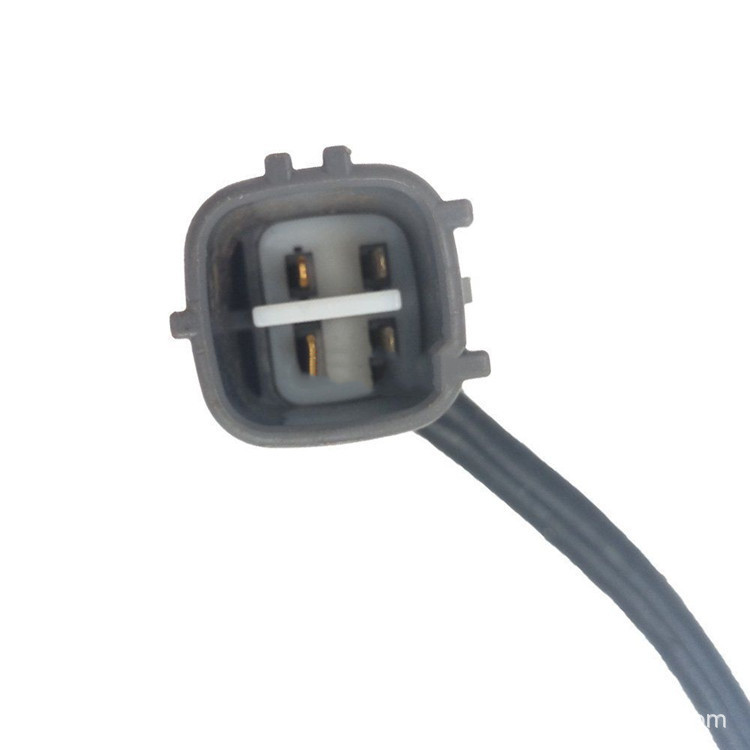
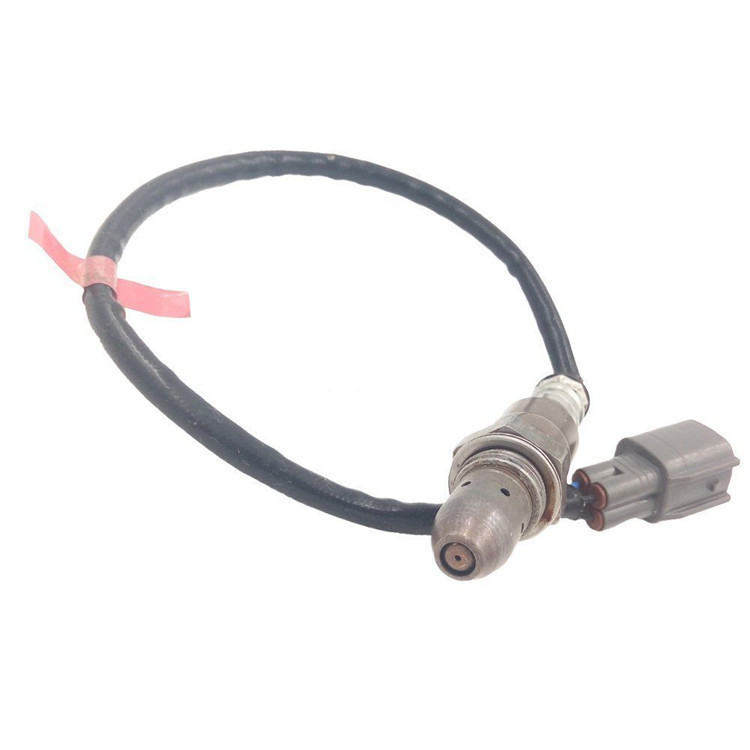
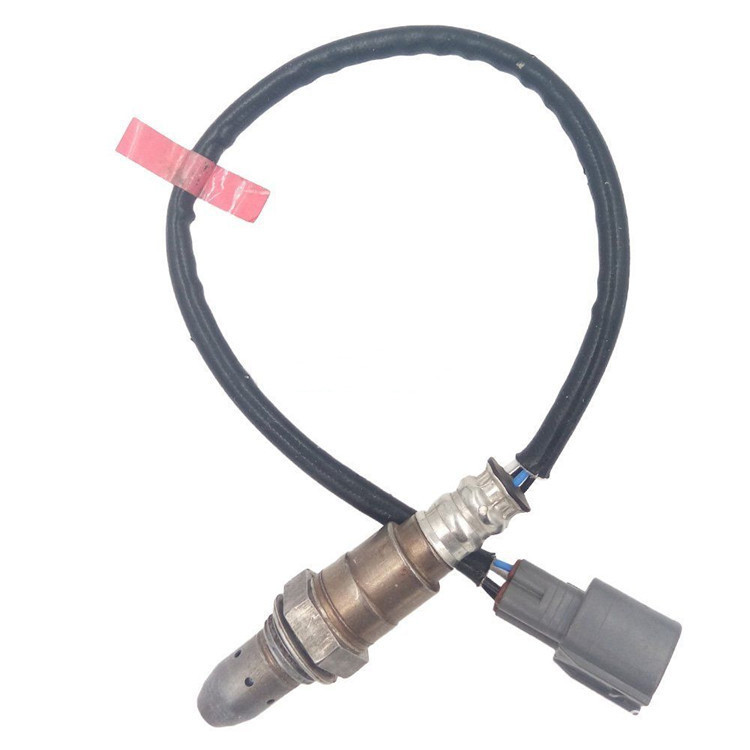
This Toyota Sienna front oxygen sensor is listed by the supplier for 2014 Toyota models. The original listing names them as "Senna Vasa 2014", which we read as the Sienna and the Venza. The photos show a sensor with a threaded body, a black sleeved lead and a grey four-pin plug. Easy Life Markets sells it as a single sensor. The supplier gives no part number, so please use the checks further down this page before you order.
The front sensor is the one that matters most to how the engine runs. It sits in the exhaust ahead of the catalytic converter and tells the engine computer how much oxygen is left after combustion. The computer uses that signal to trim the fuel mixture many times a second. When the sensor slows down or fails, the engine can run rich or lean, fuel use goes up and the check engine light comes on. The oxygen sensor article explains the different types and how they work.
What Is Included
- 1 x front oxygen sensor with lead and plug
The supplier states that it is packed in a carton. A fitting tool, gasket and anti-seize compound are not listed.
Specifications
- Product type: Front oxygen sensor
- Scope of application: Toyota, per the supplier
- Listed models: Toyota Sienna and Venza, 2014
- Connector: Grey four-pin plug, as shown in the photos
- Colour: Black lead
- Measurement accuracy: Standard, per the supplier
- Brand: Unbranded aftermarket
- SKU: CJQT100833401AZ
The listing does not give a Toyota part number, the lead length, the thread size or the engine. We have left those out instead of guessing.
How to Confirm It Suits Your Vehicle
With so little data from the supplier, matching by model name alone is not enough. A V6 engine has two banks and each has its own front sensor, and the two are often different parts with different lead lengths. Here is how to check:
- Find the number on your old sensor. Toyota sensors carry a number in the 89467- or 89465- format on the body or on a tag on the lead. Send it to us and we will ask the supplier whether this sensor replaces it.
- Compare the plug. Look at the close-up photo of the connector: four pins in a square, a grey housing and the locking tab position. It has to match the socket on your vehicle's harness.
- Measure your lead. Note the length of the lead on your old sensor from the body to the plug, and ask us to confirm the length of this one.
- Know which sensor you need. A fault code tells you the bank and position. This listing is for a front sensor, the one before the catalytic converter. It is not listed for the rear position.
Signs a Front Oxygen Sensor Is Failing
- Check engine light with a sensor circuit, heater circuit or slow response code
- Fuel consumption that has crept up without another explanation
- Rough idle, hesitation or a smell of unburnt fuel from the exhaust
- A failed emissions test
Exhaust leaks ahead of the sensor, vacuum leaks and wiring damage can set the same codes. Check for those before replacing the sensor.
Fitting Advice
- Work with the engine warm but not hot. A sensor comes out of a warm manifold more easily than a cold one, but exhaust parts burn.
- Unplug the connector first, then use an oxygen sensor socket with a slot for the lead.
- If the old sensor is tight, soak the threads with penetrating oil and give it time. Forcing it can strip the threads in the manifold.
- Check whether the new sensor's threads arrive coated. If they are bare, use a small amount of sensor-safe anti-seize on the threads only, and keep it off the tip.
- Tighten to the figure in the service manual, route the lead exactly as the original ran and clip it away from the exhaust.
- Clear the fault codes and drive the car through a full warm-up so the computer can relearn.
Access to the rear-bank sensor on a transverse V6 is tight. Many owners leave that one to a workshop.
Looking After the New Sensor
Oxygen sensors are damaged by contamination more than by age. Coolant leaking into a cylinder, an engine that burns oil, and silicone sealant used near the intake or exhaust will all coat the sensor tip and shorten its life. If your old sensor came out with a white, glazed or oily tip, find the cause before fitting a new one.
Who This Sensor Is For
Owners and garages working on a 2014 Toyota Sienna or Venza who have compared the plug and the lead with the original and, ideally, checked the part number with us first.
Common Questions
Is this a genuine Toyota sensor? No. It is an unbranded aftermarket sensor. No maker's name or part number is given by the supplier.
Is it for bank 1 or bank 2? The supplier does not say. Send us the number from your old sensor before ordering.
Does it suit other years? Only 2014 is listed. We cannot confirm any other year.
Buy the Toyota Sienna Front Oxygen Sensor at Easy Life Markets
You can order the sensor on this page. The current price and availability are shown on this page. Please read our return and refund policy before buying.
Related Products
Browse our sensors, exhaust and auto parts collections.
Product Photos